
Voltron
Twenty-one
Commander has a rule no other format does: a player who has been dealt 21 or more combat damage by the same commander over the course of the game loses, no matter their life total. Voltron is the strategy that takes that rule literally. It picks one creature, usually the commander, and stacks it with Equipment and Auras until each hit is a quarter of a life bar.
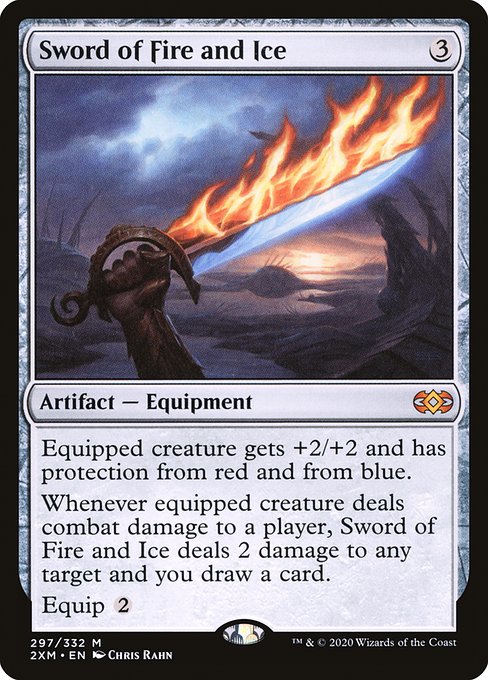
The name is borrowed from the cartoon robot assembled from five smaller ones, and it fits: a Voltron commander with a Sword, a pair of Boots and a Rancor is five cards acting as one threat. Against a 40-life table that is the point. Forty damage three times is 120 points to deal; twenty-one damage three times is 63, and the Voltron deck never has to deal the rest.


As of November 8, 2026, ArcaneMetriX classifies 893 Commander-legal cards as Voltron payoffs. The lists on this page are generated from that classification and refreshed with every deploy.
How fast is the clock?
Voltron players count in hits, not life points. The number that matters is how many connecting attacks reach 21 against each opponent, and the two things that shorten it most are not power: they are double strike and evasion.
Protection is the deck
Everything a Tokens deck does to survive a board wipe, a Voltron deck has to do against a single Swords to Plowshares. One body carries the whole plan, so the plan is to make that body unkillable.
Hexproof and shroud
Lightning Greaves and Swiftfoot Boots are in nearly every Voltron list for a reason: one mana or zero to make the commander untargetable the turn it lands. Shroud is stronger and more awkward, since you cannot target your own commander with the next Aura either.
Indestructible and regeneration
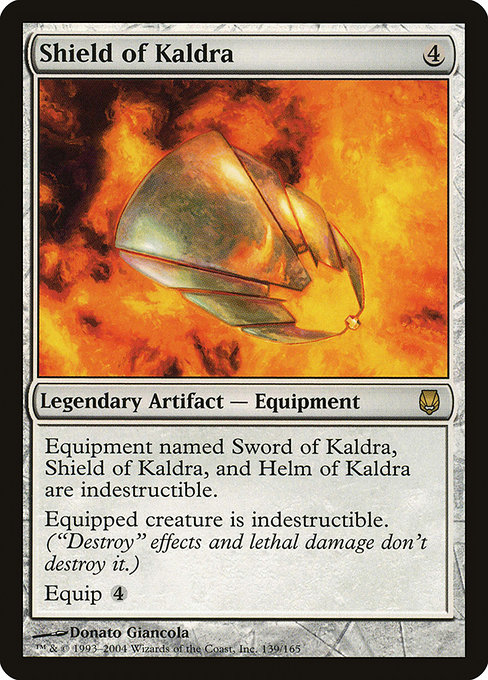
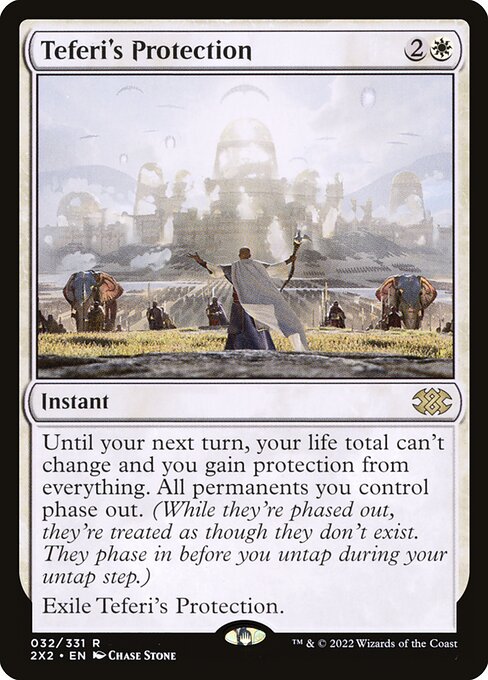
Hammer of Nazahn, Darksteel Plate and Shield of Kaldra answer board wipes and destroy effects. They do nothing against exile, bounce or edicts, which is why Voltron decks also hold up a counterspell or a Teferi's Protection.


Recursion of the suit
When the body does die, Equipment stays on the battlefield and a new body picks it up next turn. Auras do not survive, which is the central reason Equipment Voltron outnumbers Aura Voltron, and why Aura decks run Sram, Senior Edificer and Kor Spiritdancer to draw into replacements.


Commanders built for it
A Voltron commander either attaches things for free, grows with what it wears, or has evasion built in. Ordered by overall popularity across all Commander decks.


What it wears
The Equipment, Auras and payoffs the engine reads as built to make one creature enormous or untouchable. There is no separate enablers list here: in Voltron, the equipment is the deck.


Combos
Voltron is the least combo-prone archetype on this site, which is a selling point for lower brackets. The lines that do exist mostly involve Equipment that untaps, as these most popular examples show.
-
Aggravated Assault + The Reaver Cleaver Infinite artifact ETB; Infinite artifact LTB; Infinite artifact sacrifice triggers Commander SpellbookAggravated Assault
 The Reaver Cleaver

-
Bloom Tender + Freed from the Real Infinite non-blue mana of colors among permanents you control; Infinite mana of colors among permanents you control Commander SpellbookBloom Tender
 Freed from the Real

-
Freed from the Real + Kinnan, Bonder Prodigy Infinite blue mana; Infinite mana a specific creature can produce; Put most creature cards from your library onto the battlefield Commander SpellbookFreed from the RealKinnan, Bonder Prodigy

-
Lightning Greaves + Monk Gyatso Infinite creature LTB; Infinite creature ETB; Infinite storm count Commander SpellbookLightning GreavesMonk Gyatso

-
Hellkite Charger + The Reaver Cleaver Infinite artifact ETB; Infinite artifact LTB; Infinite artifact sacrifice triggers Commander SpellbookHellkite Charger
 The Reaver Cleaver
-
Lightning Greaves + Selvala, Heart of the Wilds + Temur Sabertooth Infinite creature LTB; Infinite creature ETB; Infinite colored mana Commander SpellbookLightning GreavesSelvala, Heart of the Wilds
 Temur Sabertooth

Combo data from Commander Spellbook, the community combo database, used with credit; each entry links to its page there. ArcaneMetriX picks the combos that include one of the archetype's most-played payoffs.
Building it
Pick the commander first and build the suit for it. A commander with evasion wants raw power; a commander with power wants evasion; a commander that cheats equip costs wants expensive Equipment that nobody else can afford to run. Then count protection: a good list has eight to ten ways to save the commander, because every opponent will try, and ramp, because recasting a commander from the command zone gets two mana dearer each time.
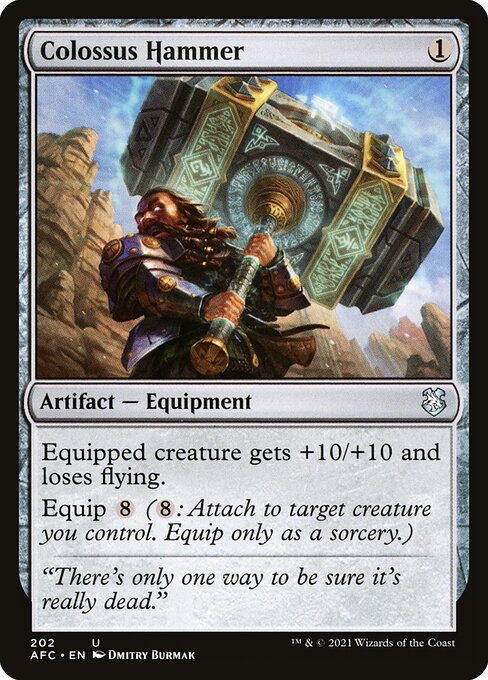
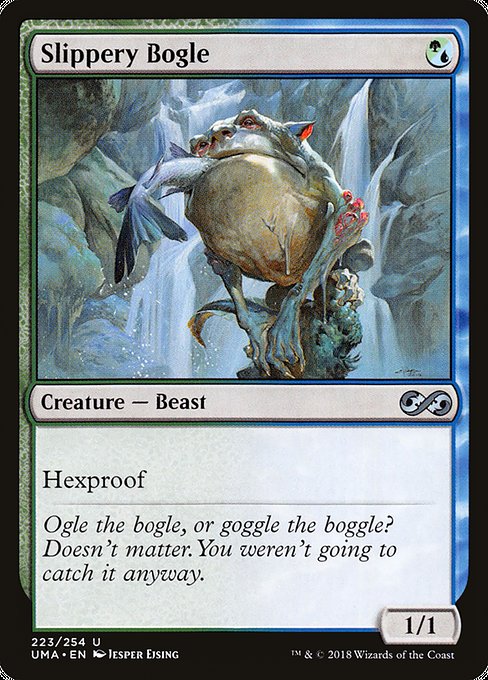
Outside Commander the word Voltron is rarely used, but the idea is Modern's Hammer Time and Legacy's Bogles: cheap Auras on a hexproof creature, or Colossus Hammer cheated onto an evasive one. The 21 rule is what makes the Commander version a strategy rather than a curiosity.

Check the suit fits
ArcaneMetriX's Stats panel estimates your deck's bracket from its speed and interaction, and the Synergies view shows which Equipment your commander actually wants, so the pieces that do not fit the body stand out.
Questions players ask about Voltron
What is a Voltron deck?
A Commander deck that wins by making one creature, usually the commander, huge and hard to kill with Equipment and Auras, then dealing 21 combat damage to each opponent with it. The name comes from the cartoon robot assembled from smaller robots.
How does commander damage work?
A player dealt 21 or more combat damage by the same commander over the game loses, regardless of life total. It is tracked per commander and per player, counts combat damage only, and does not reset if the commander leaves the battlefield and returns.
Is Equipment or Auras better for Voltron?
Equipment is more popular because it stays on the battlefield when the creature dies and can be moved to the next one. Auras are cheaper and often stronger per card but are lost with the creature, so Aura decks lean on hexproof commanders and cards that draw when an Aura is cast.
Which commanders are best for Voltron?
Ones that attach Equipment for free, grow with what they wear, or have evasion of their own. The list on this page is generated from how the ArcaneMetriX engine reads each card and ordered by overall popularity.
How do I beat a Voltron deck?
Edicts and sacrifice effects, which ignore hexproof and indestructible, bounce that strips the Auras, and chump blockers if the commander lacks evasion. Killing the commander in response to the first equip, before the protection is online, is the cleanest answer.