
Lifegain
Life is not a strategy
Every new player learns the same lesson: gaining life does not win games. Ten extra life is one more turn against a deck that is beating you, and no turns at all against one that is not. A lifegain deck is a deck that found a way around that lesson, by making life into something: damage dealt to opponents, cards drawn, creatures grown, or a fifty-point bolt from a chrome tank.
So the archetype is really three decks that share a trigger. Each needs the same thing, life gained in small, frequent amounts, and each cashes it in differently. Before the lists, find out which one you are building.
As of November 8, 2026, ArcaneMetriX classifies 163 Commander-legal cards as lifegain payoffs. The lists on this page are generated from that classification and refreshed with every deploy.
Which lifegain deck are you?
Drain
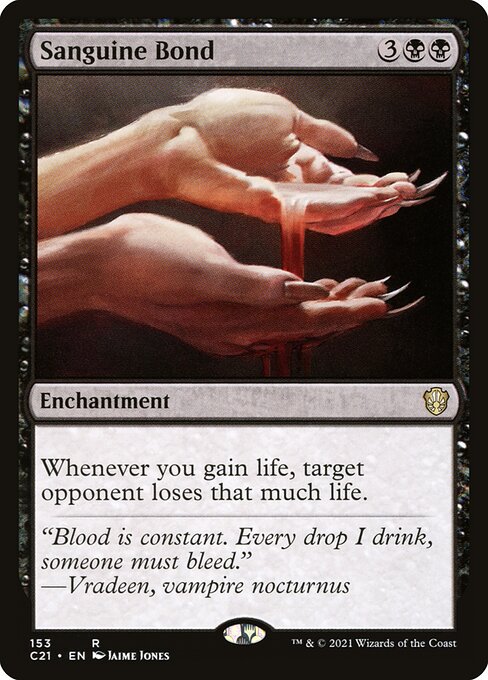
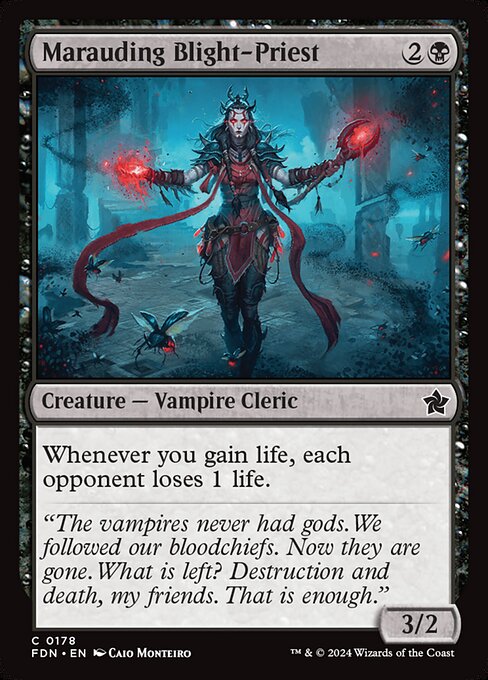
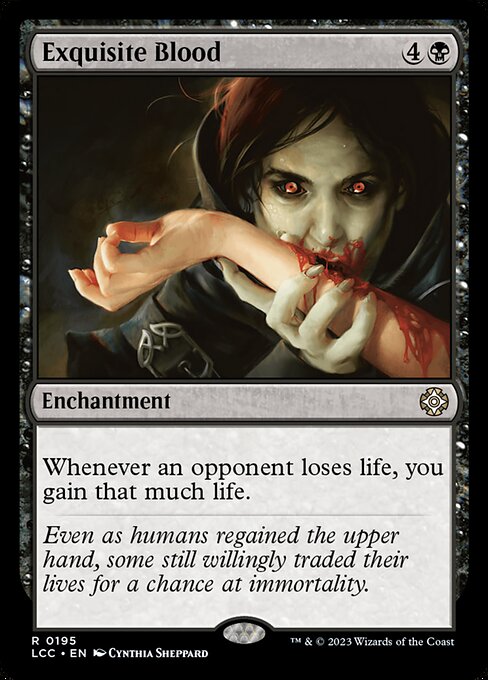
Black and white. Sanguine Bond, Vito, Thorn of the Dusk Rose and Marauding Blight-Priest make an opponent lose life whenever you gain it, so every lifegain trigger is a burn spell. Add Exquisite Blood and gaining life causes life loss that causes life gain, forever. You want this if you like your table to end at zero at the same moment you reach a hundred.

Soul Sisters
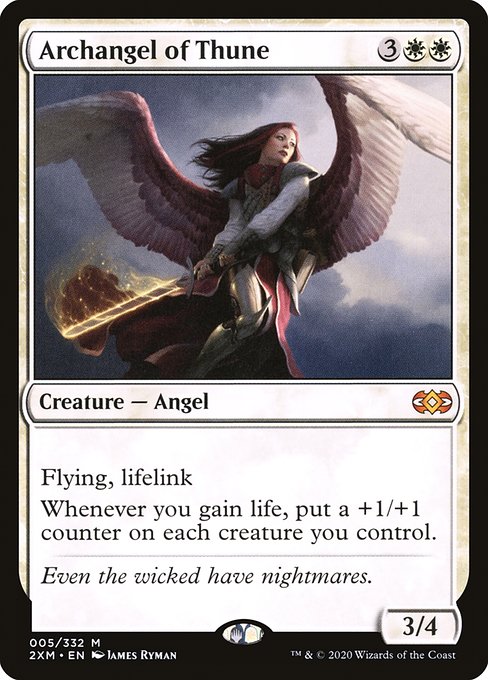
White, with green or black. Soul Warden and her sisters gain a life whenever any creature enters, Ajani's Pridemate and Heliod, Sun-Crowned turn each life gained into a +1/+1 counter, and Archangel of Thune does it for the whole team. The life is a counter machine. You want this if you would rather attack with a board of 8/8s than drain.



Reservoir
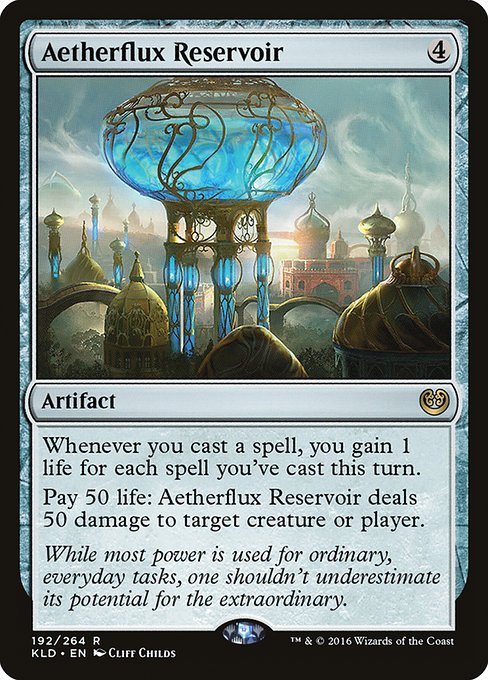
Any colors. Aetherflux Reservoir gains one life for each spell you have cast this turn and lets you pay fifty to deal fifty. The deck casts many cheap spells and gains in triangles: 1, 3, 6, 10, 15. You want this if your idea of fun is counting to fifty-one and then pointing.
Counting to fifty-one
The Reservoir is the biggest single payoff in the archetype and the hardest to eyeball mid-turn, because each spell gains more than the last. Set up your turn here.
Payoffs
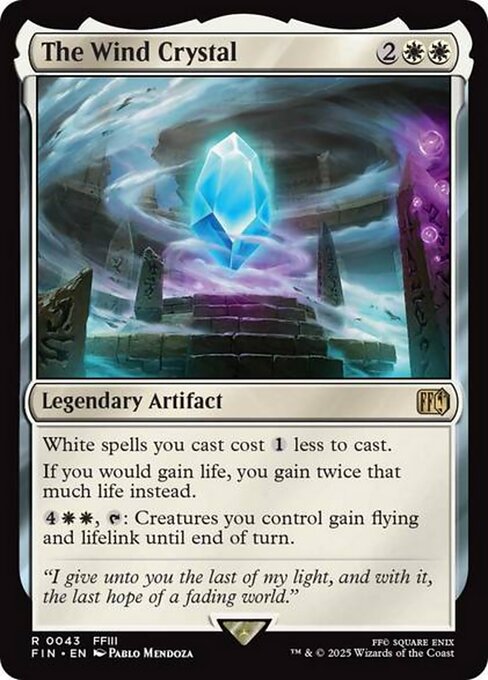
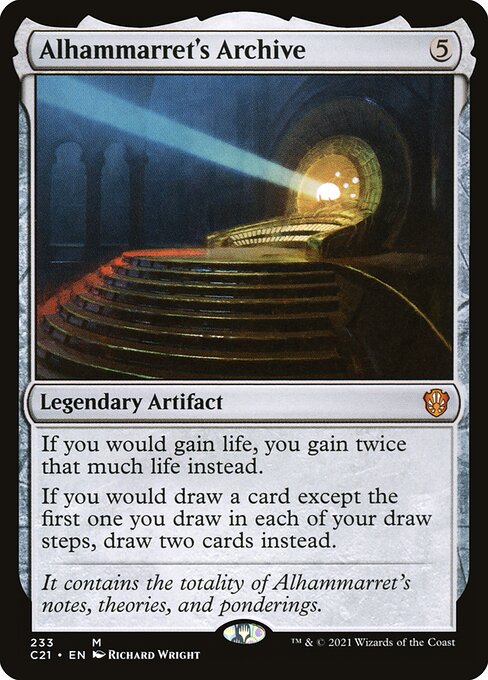
The cards that convert life gained into something else, as the engine reads them.
-
Vito, Thorn of the Dusk Rose -
Sanguine Bond -
Enduring Tenacity -
The Wind Crystal -
Alhammarret's Archive -
Heliod, Sun-Crowned -
Marauding Blight-Priest -
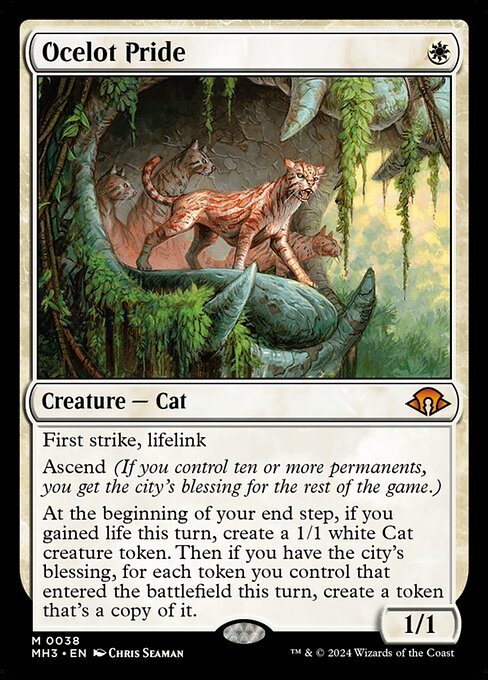
Ocelot Pride -
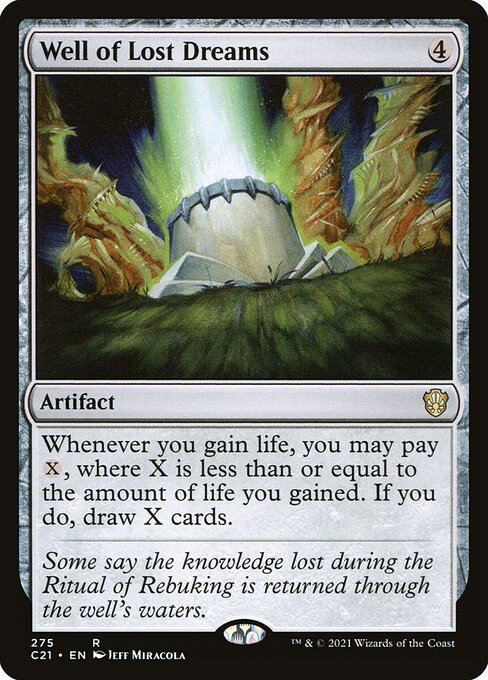
Well of Lost Dreams -

Exemplar of Light -
Archangel of Thune -

Cleric Class
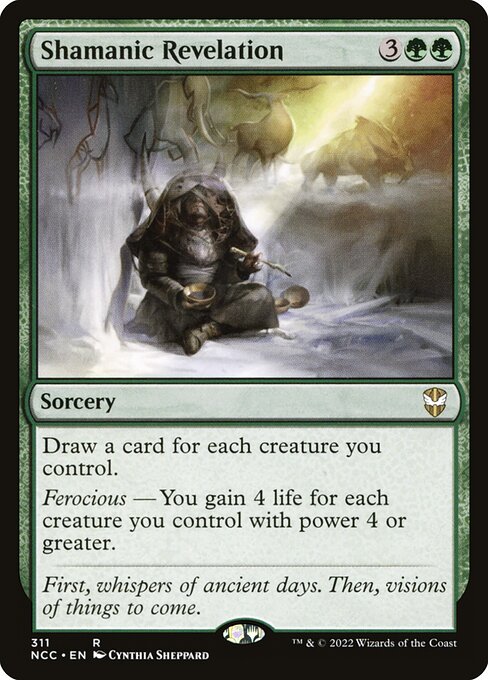
Sources of life
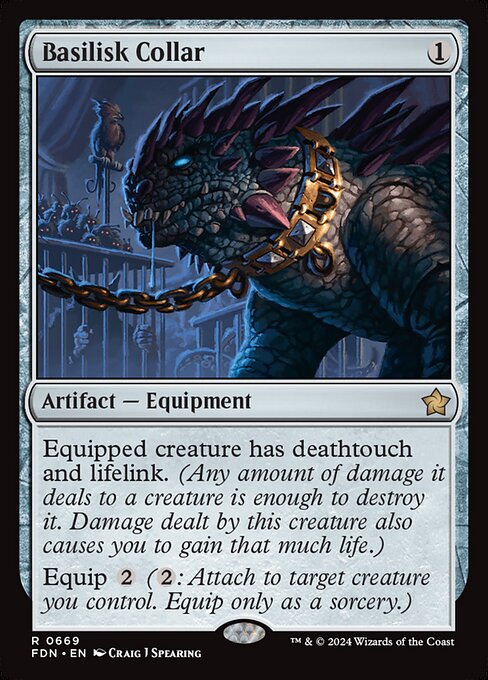
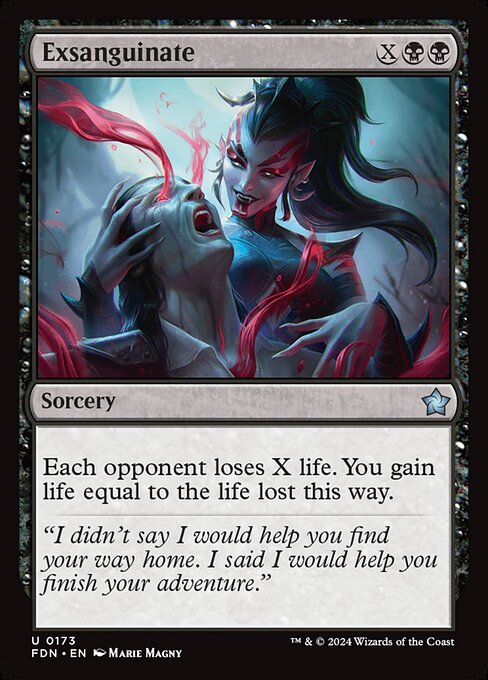
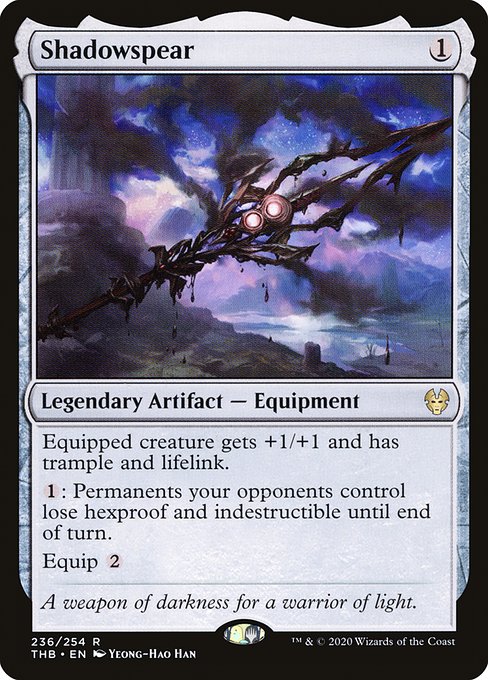
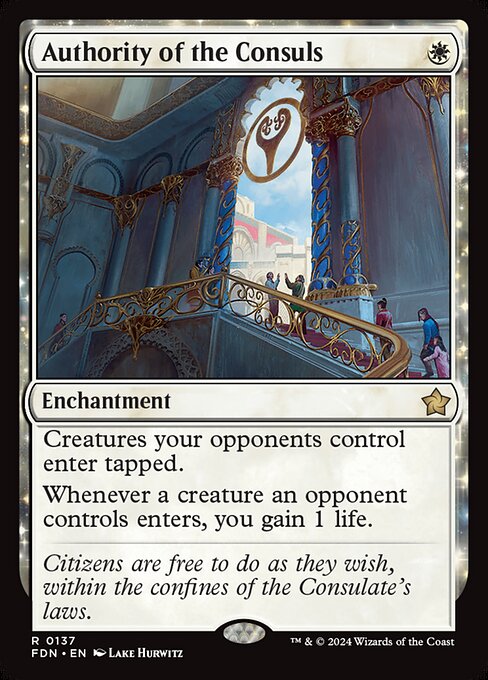
Cards that gain life often and cheaply. The engine's list includes drain effects that gain as they take, which is why some aristocrats staples appear: they belong to both decks.

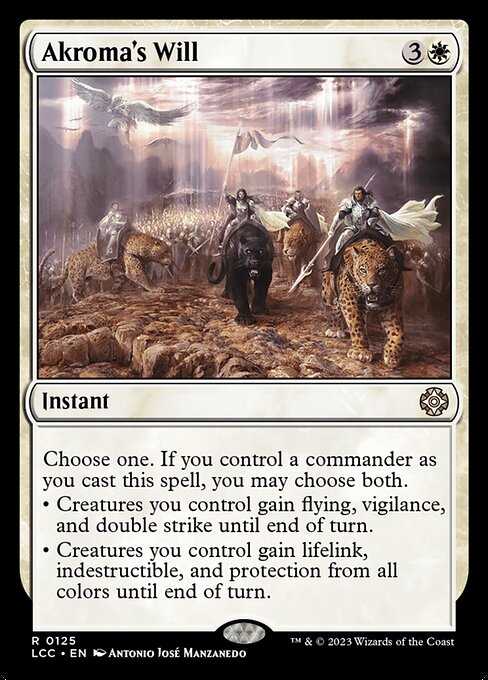
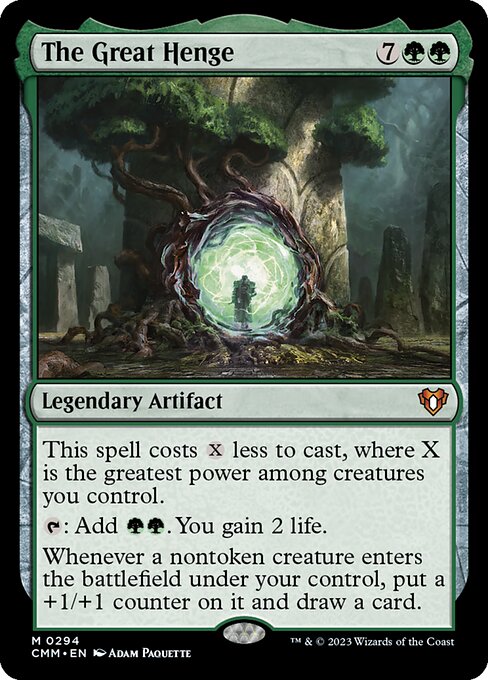



Commanders that lead it
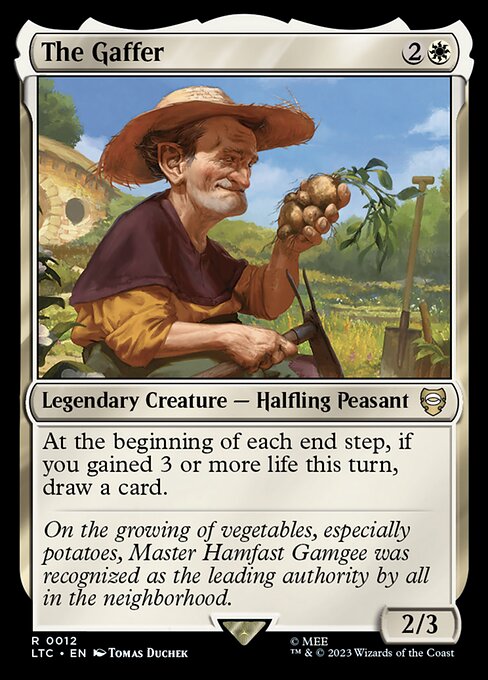
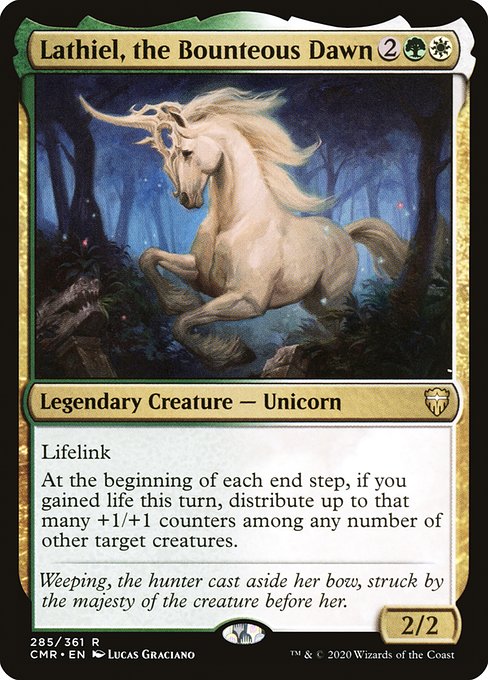
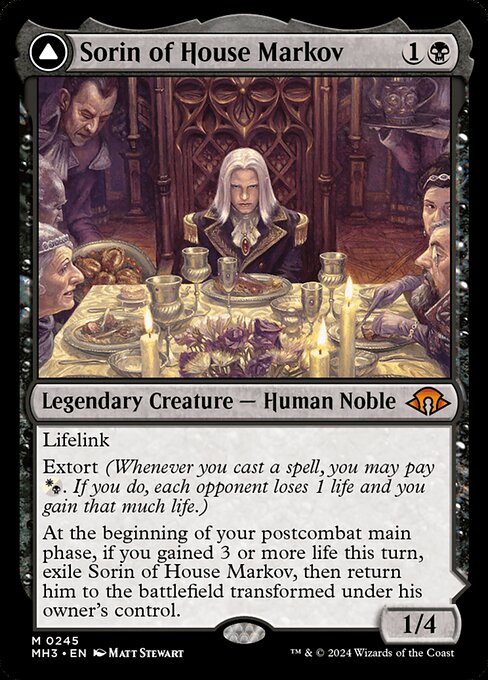
One from each family tends to top the list: a drain commander, a counters commander and a value commander. Ordered by overall popularity across every Commander deck.





Combos
The drain family is where the infinite lives: any card that drains when you gain life, plus any card that gains when they lose, is a loop with no end. These are the most popular combos that include a lifegain payoff.
-
Exquisite Blood + Sanguine Bond Infinite lifegain triggers; Infinite lifeloss; Infinite lifegain Commander SpellbookExquisite BloodSanguine Bond
-
Exquisite Blood + Vito, Thorn of the Dusk Rose Infinite lifegain triggers; Infinite lifeloss; Infinite lifegain Commander SpellbookExquisite BloodVito, Thorn of the Dusk Rose
-
Bloodthirsty Conqueror + Vito, Thorn of the Dusk Rose Infinite lifegain triggers; Infinite lifeloss; Infinite lifegain Commander SpellbookBloodthirsty Conqueror
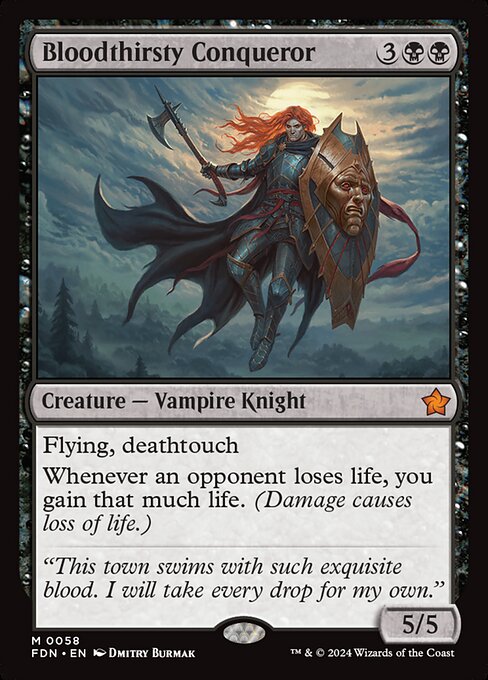 Vito, Thorn of the Dusk Rose
-
Bloodthirsty Conqueror + Sanguine Bond Infinite lifegain triggers; Infinite lifeloss; Infinite lifegain Commander SpellbookBloodthirsty ConquerorSanguine Bond
-
Heliod, Sun-Crowned + Walking Ballista Infinite damage; Infinite lifegain; Infinite lifegain triggers Commander SpellbookHeliod, Sun-CrownedWalking Ballista
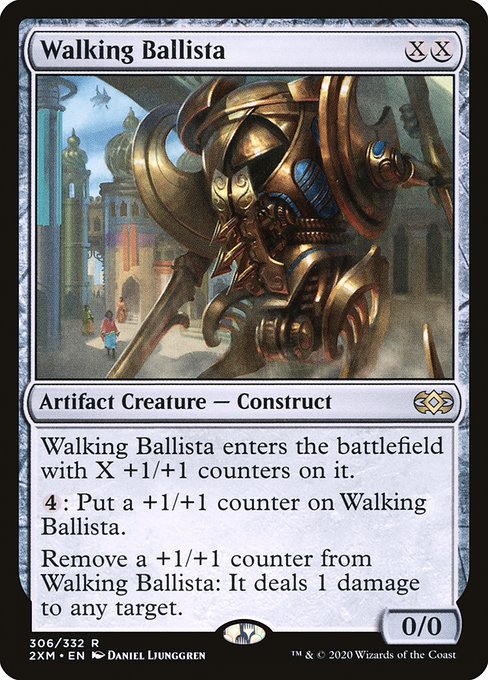
-
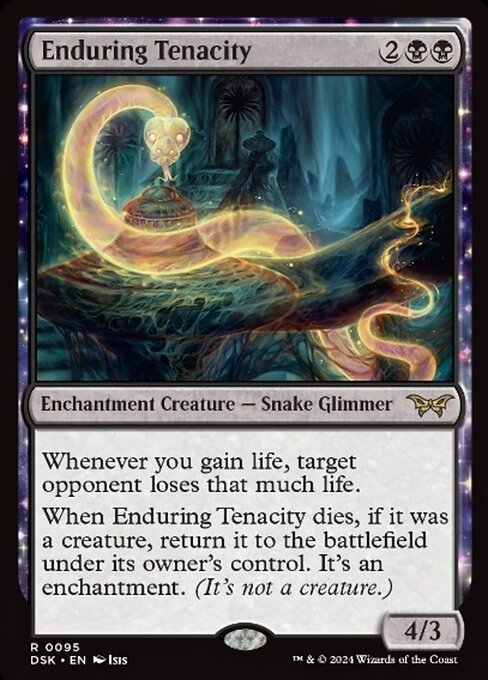
Beacon of Immortality + Enduring Tenacity Near-infinite lifegain; Near-infinite lifeloss for target opponent Commander SpellbookBeacon of Immortality
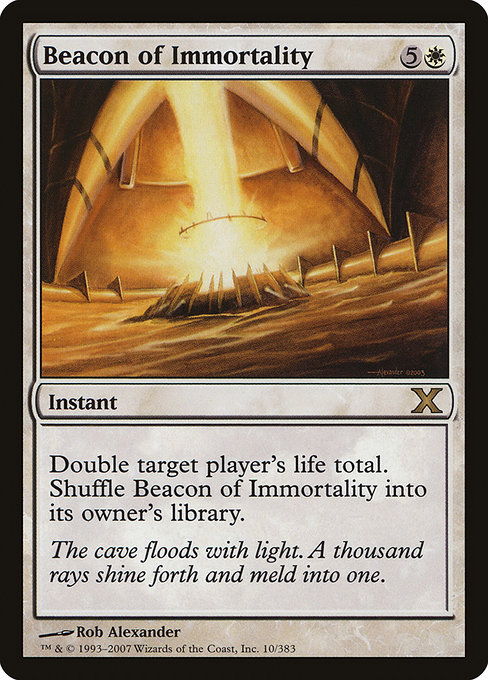 Enduring Tenacity
Combo data from Commander Spellbook, the community combo database, used with credit; each entry links to its page there. ArcaneMetriX picks the combos that include one of the archetype's most-played payoffs.
Building it
Pick one family and commit, then borrow one card from each of the others. A drain deck with Heliod is fine; a deck trying to be all three has no engine. Then count triggers, not totals: a card that gains one life ten times a turn is worth far more here than one that gains ten once, because every payoff triggers on the event, not the amount. Soul Warden is a better lifegain card than Beacon of Immortality, which is a sentence that is only true in this archetype.
Lifegain is the archetype most often dismissed as weak, and in sixty-card formats it mostly is, with the honourable exception of Modern's Soul Sisters. Commander's forty-life start and three opponents change that: the drain deck has three times the targets and the Soul Sisters deck sees three times as many creatures enter.
See where your life goes
ArcaneMetriX separates the cards that gain life from the cards that use it, so a list shows which of the three lifegain decks it actually is, and the suggestions strip offers the payoffs for that one.
Questions players ask about lifegain
Is lifegain a good strategy in MTG?
Only when something converts the life into an effect. Gaining life on its own buys time at best. Lifegain decks pair frequent small gains with payoffs that drain opponents, grow creatures or draw cards whenever life is gained, and in Commander the extra opponents and 40-life start make those payoffs much stronger.
How does Aetherflux Reservoir work?
Whenever you cast a spell, you gain one life for each spell you have cast this turn, so the first gains 1, the second 2, the third 3. You may pay 50 life to have it deal 50 damage to any target; you need 51 life or more to do so without losing to having zero life.
What is a Soul Sisters deck?
A white lifegain deck named after Soul Warden and Soul's Attendant, creatures that gain you a life whenever another creature enters the battlefield. It pairs them with cards like Ajani's Pridemate that grow whenever you gain life, and with token makers so creatures enter constantly.
Does Sanguine Bond and Exquisite Blood go infinite?
Yes. Exquisite Blood gains you life whenever an opponent loses life; Sanguine Bond makes an opponent lose life whenever you gain it. One trigger of either starts a loop that only ends when every opponent is dead, which is why the pair is a two-card combo for bracket purposes.
Do lifegain triggers count the amount gained?
Most count the event, not the amount: Ajani's Pridemate gets one counter whether you gain 1 or 20. A few, like Sanguine Bond, use the amount. That is why lifegain decks prefer many small gains to one large one.